 how-to
Preventative Home Maintenance Checklist: Year-Round Guide
Table of Contents
- Why a Preventative Home Maintenance Checklist Matters
- Monthly Preventative Home Maintenance Tasks
- Seasonal Home Maintenance Schedule by Quarter
- Home Maintenance Tools List: What You'll Need
- DIY vs Professional Home Maintenance: When to Call a Contractor
- Creating and Tracking Your Maintenance Log
- Frequently Asked Questions
Last Updated: September 20, 2026
A well-maintained home does not happen by accident. A preventative home maintenance checklist helps homeowners identify developing problems, plan seasonal work, and keep important tasks from being overlooked.
This is especially important in Oregon and Washington, where frequent rain, wind, organic growth, and seasonal temperature changes can place added stress on roofs, gutters, siding, decks, exterior sealants, and drainage systems. This guide organizes the most important monthly and seasonal tasks into a practical year-round schedule.
Why a Preventative Home Maintenance Checklist Matters
Preventative maintenance cannot eliminate every unexpected repair, but it can help catch visible warning signs before they contribute to more extensive damage. A loose gutter, failed section of caulking, slow plumbing leak, or damaged roof component may be relatively manageable when discovered early and much more expensive after months of exposure.
Following a regular maintenance schedule can help you:
- Identify moisture, drainage, and exterior damage early
- Prepare your home for seasonal weather
- Keep major systems operating as intended
- Plan and budget for repairs instead of constantly reacting to them
- Maintain a written history of completed inspections and services
- Decide which tasks are appropriate for DIY work and which require a qualified professional
A useful checklist also makes home maintenance more manageable. Instead of trying to inspect everything at once, you can divide the work into short monthly checks and larger seasonal tasks based on weather, accessibility, and urgency.
Monthly Preventative Home Maintenance Tasks
Monthly checks should be quick and repeatable. The goal is to notice changes early, document anything concerning, and determine whether the issue needs immediate attention or can be included in your next scheduled maintenance visit.
Test smoke and carbon monoxide alarms. Use the test button on each device and follow the manufacturer’s instructions for battery and alarm replacement. Replace any alarm that is damaged, expired, or does not respond properly.
Check the HVAC filter. Inspect the filter monthly, especially during periods of heavy heating or cooling use. Clean or replace it when dirty and follow the equipment and filter manufacturer’s recommendations rather than assuming every filter has the same replacement schedule.
Look for visible water leaks. Check beneath sinks, around toilets, near the water heater, behind accessible appliances, and in basements or crawlspaces where safely accessible. Watch for dripping, corrosion, staining, dampness, soft materials, or musty odors.
Inspect caulking in wet areas. Look around tubs, showers, sinks, backsplashes, and other water-exposed joints. Cracked, separated, or missing sealant should be addressed before moisture reaches surrounding materials.
Run water in rarely used fixtures. Briefly operate seldom-used sinks, showers, tubs, and floor drains to help keep plumbing traps filled and reveal slow drainage or leaks.
Check for signs of pests. Look for droppings, nesting material, chewing, damaged screens, or new gaps around doors, siding, foundations, and utility penetrations. Do not seal an opening until you confirm it is not an intentional vent, drain, or weep opening and that no animal is trapped inside.
Walk through the home and note changes. Look for new ceiling or wall stains, sticking doors, cracked finishes, unusual odors, loose railings, or other changes. A single symptom may be minor, but documenting when it appeared makes it easier to determine whether it is getting worse.
Seasonal Home Maintenance Schedule by Quarter
Seasonal maintenance should reflect your home, surrounding vegetation, weather exposure, and equipment. Homes in Oregon and Washington often require additional attention to moisture, roof debris, moss, drainage, and exterior wood.
Spring Maintenance (March-May)
Spring is the time to assess how the home performed through winter and address damage before drier weather arrives.
Check the roof from the ground. Look for displaced or damaged shingles, accumulated debris, lifted flashing, moss growth, and anything else that appears different from the previous season. Use binoculars or photographs when helpful, and leave roof access to a qualified professional.
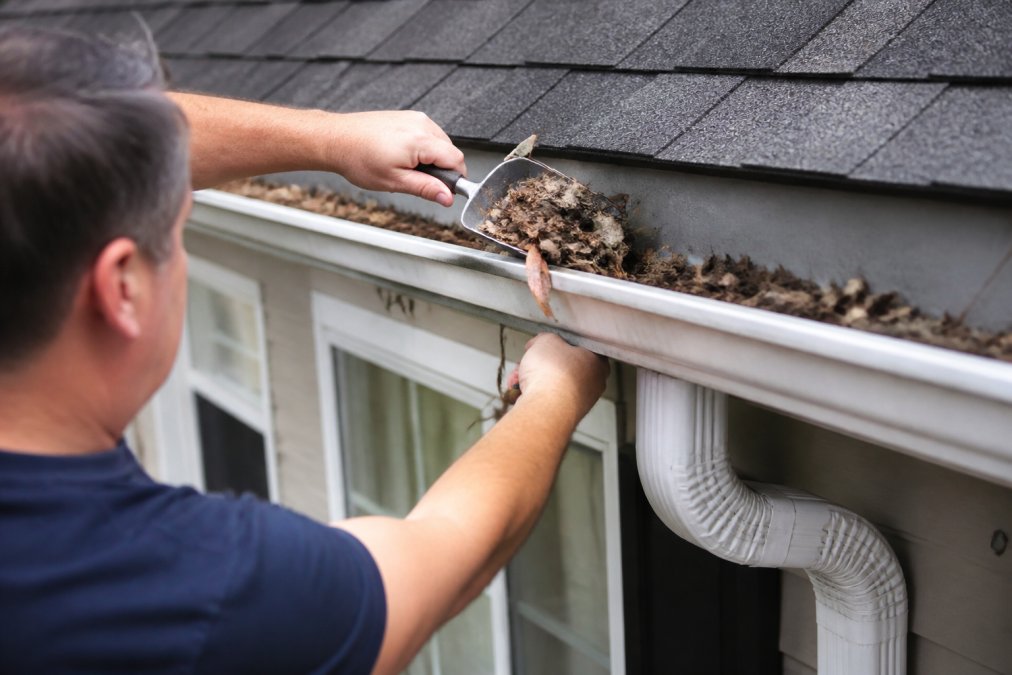
Clean gutters and confirm drainage. Remove accumulated leaves, needles, and roof debris. Check that gutters remain securely attached and that downspouts discharge properly. Apex Contracting provides professional gutter cleaning and maintenance for homeowners who would rather avoid ladder work.
Inspect siding, trim, and exterior sealants. Look for loose materials, peeling finishes, open joints, staining, soft wood, and damaged caulking around appropriate exterior penetrations. Do not seal intentional drainage or ventilation openings.
Examine decks, stairs, railings, and fences. Check for loose fasteners, movement, splintering, decay, algae, and areas where finishes have worn away. Address structural movement before cleaning or refinishing the surface.
Prepare cooling equipment. Check the HVAC filter, clear debris from around outdoor equipment without opening or servicing the unit, and schedule qualified service if the system is noisy, damaged, or not operating normally.
Clean the dryer exhaust system. Clean the lint filter before or after every load and arrange for the dryer vent ductwork to be cleaned at least annually. Check the visible transition duct for crushing, damage, or disconnection, and pay attention to longer drying times, excessive heat, burning odors, or lint collecting around the dryer or exterior vent. These warning signs may indicate restricted airflow and should be addressed promptly.
Summer Maintenance (June-August)
Drier summer weather creates a useful window for exterior cleaning, repairs, sealing, painting, and wood restoration.
Clean exterior surfaces as appropriate. Remove dirt and organic buildup from siding, walkways, decks, fences, and other suitable surfaces using methods that will not damage the material. Some surfaces require low-pressure cleaning rather than aggressive pressure washing.
Complete exterior repairs and refinishing. Repair damaged siding, trim, decks, fences, and exterior joints before applying paint, stain, or sealer. Coatings perform best when the underlying material is clean, dry, and sound.
Inspect windows, doors, and screens. Check for damaged screens, deteriorated weatherstripping, sticking hardware, and failed exterior sealant. Confirm that windows intended for emergency escape open properly.
Check outdoor water use and drainage. Look for leaking hose connections, damaged irrigation components, standing water, erosion, and soil that directs water toward the structure.
Reduce roof and structure contact. Trim vegetation away from siding and rooflines where appropriate, and remove combustible or moisture-holding debris from around the home. Hire a qualified professional when the work involves significant height, large limbs, or proximity to utilities.
Fall Maintenance (September-November)
Fall maintenance prepares the home for prolonged rain, wind, falling debris, and freezing temperatures.
Prepare roof drainage before heavy fall rain. Arrange roof and gutter cleaning before accumulated debris obstructs drainage, and recheck during and after leaf fall. Tree-covered properties may need several cleanings throughout the season. Confirm that downspouts remain connected and discharge properly, and leave unsafe roof or ladder access to a properly equipped professional.
Evaluate moss and organic growth. Address visible growth using a method appropriate for the roofing or exterior material. Avoid aggressive scraping, high-pressure washing, or unapproved chemicals that may damage the surface.
Prepare exterior plumbing for cold weather. Disconnect garden hoses, drain exposed accessories, and protect vulnerable exterior faucets or piping as appropriate for the home and local conditions.
Check heating equipment before heavy use. Inspect or replace the HVAC filter as needed and test the system before cold weather arrives. Schedule qualified service if you notice unusual odors, noises, short cycling, or poor performance.
Inspect weatherstripping and exterior openings. Check doors and windows for damaged seals, drafts, and water entry. Repair appropriate gaps while preserving required ventilation and drainage openings.
Check trees and drainage before storms. Look for damaged limbs, blocked drains, soil erosion, and areas where water collects near the home. Tree work involving large limbs, power lines, or climbing should be left to a qualified professional.
Prepare fireplaces and chimneys. Before the first seasonal use, arrange for appropriate inspection and cleaning of fireplaces, wood stoves, chimney flues, caps, and visible exterior components. Stop using the system if you notice damaged masonry, missing components, excessive buildup, smoke entering the home, or other signs that it is not venting properly.
Test sump pumps where present. Before prolonged fall and winter rain, test the sump pump according to the manufacturer’s instructions. Check that the accessible pit is clear, the discharge line is connected, and water is directed to an appropriate location. Homes with battery-backup systems should also have the battery checked according to its maintenance instructions.
Winter Maintenance (December-February)
Winter maintenance focuses on observation, moisture control, storm response, and preventing avoidable damage.
Monitor the home after heavy rain, wind, snow, or freezing weather. From the ground, look for displaced roofing materials, overflowing gutters, damaged siding, fallen branches, and unusual water accumulation.
Watch for interior moisture. Check ceilings, walls, windows, cabinets, and accessible attic or crawlspace areas for staining, condensation, dampness, or musty odors. Document new signs and address the source rather than covering the symptom.
Protect vulnerable plumbing. Maintain appropriate indoor temperatures, keep exterior hoses disconnected, and follow the property’s winterization needs. If a pipe freezes, leaks, or bursts, shut off the water when it is safe to do so and contact the appropriate professional.
Keep vents and exterior equipment clear. Safely remove leaves, snow, or debris blocking accessible exhaust vents, intake openings, drains, or outdoor HVAC equipment. Never operate fuel-burning equipment with a blocked vent.
Avoid unsafe winter access. Do not climb onto wet, icy, snowy, or storm-damaged roofs. Delay nonemergency ladder work until conditions are safe or hire a properly equipped professional.
Home Maintenance Tools List: What You'll Need
A basic set of tools handles most preventative tasks. Start small, add tools as your maintenance needs grow, and invest in quality where it matters most.
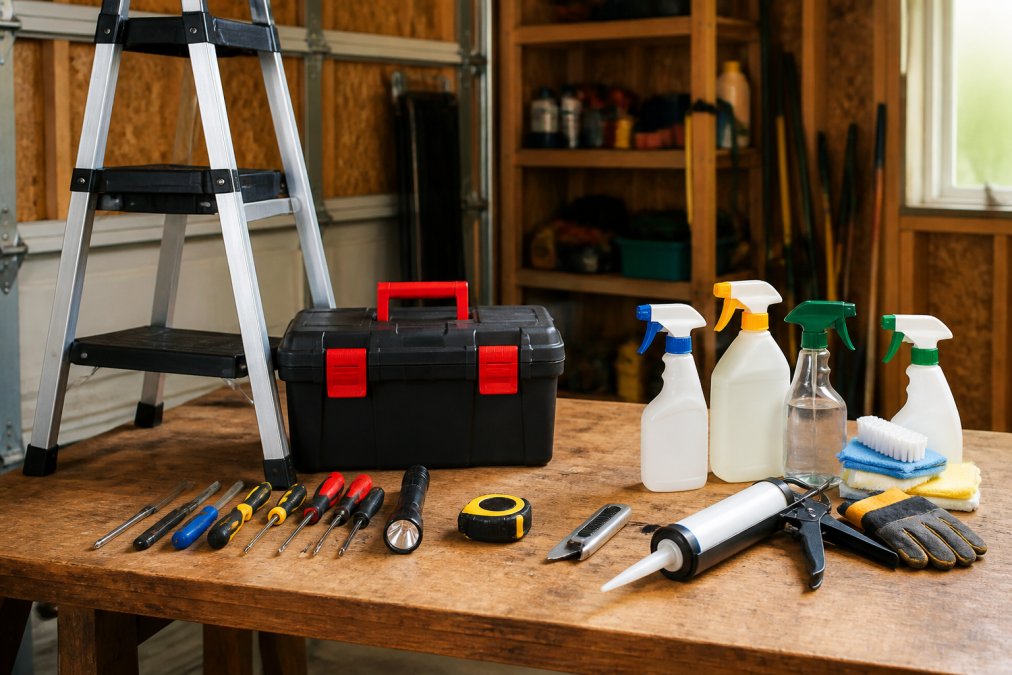
Starter toolkit:
- Flashlight or headlamp: Inspect beneath sinks and other dark, safely accessible areas.
- Basic hand tools: Keep Phillips and flathead screwdrivers, adjustable pliers, and a small adjustable wrench for minor household adjustments.
- Tape measure: Measure damaged components, openings, and replacement materials before purchasing supplies.
- Caulk gun and application tools: Use only a sealant intended for the specific material, location, and exposure. Silicone is useful in many wet areas but is not appropriate for every joint.
- Utility knife and plastic scraper: Cut materials and remove old sealant carefully without unnecessarily damaging surrounding surfaces.
- Work gloves and safety glasses: Protect your hands and eyes during cleaning, scraping, cutting, and minor repairs.
- Bucket, towels, and absorbent materials: Keep basic water-control supplies available for small leaks and spills.
Useful additions:
- Wet/dry shop vacuum: Useful for cleanup and certain wet spills when its instructions permit wet use. Do not use it around energized electrical equipment or as a substitute for correcting an active leak.
- Moisture meter: Helps compare moisture readings and identify areas that may need further investigation. A reading alone does not confirm the source or extent of a moisture problem.
- Caulk-removal tool: Removes deteriorated sealant with less risk of surface damage than a bare metal blade.
- Stud finder: Helps locate framing before mounting items, although it does not identify every concealed wire, pipe, or obstruction.
- Small drain tool or hand auger: May clear basic accessible clogs when used correctly. Stop if the tool meets significant resistance or the drainage problem affects multiple fixtures.
- Hand pruners: Maintain small vegetation near accessible portions of the home. Larger limbs and work near utilities require a qualified professional.
Specialty tools:
- Infrared thermometer or thermal camera: May reveal temperature differences associated with missing insulation, air leakage, or moisture. Results can be affected by weather and surface conditions and should not be treated as a complete diagnosis.
- Inspection camera: Can provide a limited view inside accessible cavities or drains without major demolition, but interpreting what it shows may require professional experience.
- Manufacturer-approved alarm testing products: Some alarms allow additional testing beyond the test button. Follow the alarm manufacturer’s directions and never spray an unapproved product into a detector.
Ladder safety:
Use only a ladder that is correctly rated and tall enough for the task without standing on prohibited steps, overreaching, or leaning away from it. Place it on firm, level ground and follow the manufacturer’s instructions. A six-foot stepladder is useful indoors but is not automatically suitable for gutters or roof access. If the task requires unsafe positioning or you are uncomfortable with the height, hire a properly equipped professional.
Storage and organization:
Store tools in a clean, dry location where they can be found quickly. Keep product labels and instructions, mark partially used sealants with the date opened, and discard expired or damaged materials appropriately. Inspect ladders, extension cords, blades, and battery-powered tools before use.
DIY vs Professional Home Maintenance: When to Call a Contractor
Many routine maintenance checks are appropriate for homeowners, but the right choice depends on the task, your experience, the required equipment, and the consequences of a mistake. Work involving height, structural components, active water intrusion, electricity, gas, or specialized building systems should be approached cautiously.
Tasks Many Homeowners Can Handle
Depending on personal ability and the conditions of the home, common DIY tasks may include:
- Testing smoke and carbon monoxide alarms
- Inspecting and replacing accessible HVAC filters
- Looking for visible leaks, stains, and moisture
- Replacing accessible weatherstripping
- Cleaning accessible surfaces with material-appropriate methods
- Monitoring caulking and replacing it when the surrounding material is dry and undamaged
- Performing ground-level visual checks of roofs, gutters, siding, decks, and fences
- Photographing and documenting changes in a maintenance log
Stop if the work reveals concealed damage, widespread moisture, unsafe access, or a problem beyond the original task.
When to Call a Qualified Professional
Roof and gutter work: Hire a properly equipped professional when work requires roof access, an extension ladder, steep or slippery surfaces, or repairs to roofing and drainage components.
Electrical concerns: Flickering lights, overheated components, repeated breaker trips, and damaged wiring require evaluation by a qualified electrical professional. Do not open equipment or attempt repairs outside your training and legal authority.
Suspected gas leaks: If you smell gas or suspect a leak, leave the building immediately. Do not operate electrical switches, use flames, or search for the source. From a safe location outside, call 911 and your gas utility’s emergency line. Do not reenter until emergency responders or the utility say it is safe.
Plumbing problems beyond basic upkeep: Active leaks inside walls, frozen or burst piping, recurring backups, sewer odors, water-heater problems, and alterations to supply or drainage systems may require a properly licensed plumbing professional.
HVAC service and internal repairs: Homeowners can usually inspect filters and keep the area around equipment clear. Internal cleaning, refrigerant work, combustion testing, electrical diagnosis, and equipment repair should be handled by a qualified HVAC professional.
Structural movement or deterioration: Significant foundation cracks, sagging framing, soft structural wood, moving stairs, unstable railings, or visibly displaced building components may require evaluation by a qualified contractor, engineer, or other appropriate specialist.
Persistent moisture or suspected mold: Staining, odors, condensation, or visible growth may indicate a roof, plumbing, ventilation, drainage, or building-envelope problem. Correcting the moisture source is more important than simply cleaning the visible symptom.
Deck, stair, railing, or fence instability: Loose connections, decay, movement, and damaged supports can create safety hazards. Have structural components assessed before cosmetic cleaning or refinishing.
Any work requiring permits or specialty licensing: Requirements vary by location and project. Confirm permit and licensing requirements before work begins, and verify that the person performing specialized work has the appropriate credentials.
A Simple DIY-or-Hire Framework
Before beginning a maintenance task, consider:
- Access: Can the work be reached without unsafe climbing, overreaching, or entering a hazardous space?
- Experience: Have you completed this type of work successfully before?
- Consequence of failure: Could a mistake cause injury, fire, water damage, structural damage, or code problems?
- Diagnosis: Do you understand the cause of the problem, or are you only seeing a symptom?
- Equipment: Do you have the correct tools and protective equipment?
- Requirements: Does the work require a permit, inspection, or specialty license?
- Documentation: Will the work affect a product warranty, insurance claim, or future property sale?
Apex Contracting assists Oregon and Washington homeowners with exterior maintenance, roof and gutter care, deck and fence maintenance, and everyday home repairs within the agreed project scope. Contact us to discuss your property’s maintenance needs.
Creating and Tracking Your Maintenance Log
A maintenance log creates a practical history of your home. It helps you identify recurring problems, remember when services were completed, plan future work, and provide useful records for warranties, insurance questions, or a future sale.
Your log should include:
- Date of the inspection, maintenance, or repair
- Area or system checked
- Condition observed or issue found
- Action taken
- Materials or products used when relevant
- Contractor or service provider, if applicable
- Before-and-after photographs when useful
- Recommended follow-up or next inspection date
Here are three example entries:
- March 15, 2026 — Gutters: Debris present with no visible damage. Gutters and downspouts cleaned. DIY service. Check again in fall 2026.
- April 2, 2026 — Roof: Displaced shingle observed. Professional repair completed. Check again after the next major storm.
- May 10, 2026 — HVAC: Filter visibly dirty. Filter replaced. Check again on June 10, 2026.
Store related photographs, estimates, invoices, warranties, product information, and contractor records with the log. A digital folder organized by year and area of the home makes documents easier to find later.
If a condition is being monitored rather than repaired immediately, photograph it from the same location each time and record any visible change. This creates a more useful comparison than relying on memory alone.
Frequently Asked Questions
What are the most important items on a preventative home maintenance checklist?
Start with conditions that can affect safety or allow damage to spread: smoke and carbon monoxide alarms, active water leaks, roof and gutter drainage, HVAC filters, unstable stairs or railings, and visible signs of moisture or structural movement. After those priorities are addressed, add routine exterior cleaning, sealant checks, weather preparation, and cosmetic upkeep.
How often should I perform a full home maintenance inspection?
A thorough seasonal review is generally useful in spring and fall, with shorter checks throughout the year. Homes surrounded by trees or exposed to heavy rain, wind, moss, freezing temperatures, or other demanding conditions may need more frequent attention. Perform additional ground-level checks after significant storms or whenever you notice a change inside the home. A maintenance review is not a substitute for a formal inspection or specialized evaluation. Contact the appropriate qualified professional when you find electrical, plumbing, HVAC, structural, roofing, or other concerns outside the scope of routine maintenance.
What's the difference between DIY and professional home maintenance?
DIY maintenance is generally best suited to accessible, low-risk tasks such as testing alarms, checking filters, documenting visible conditions, replacing appropriate weatherstripping, and performing basic cleaning. Professional service is appropriate when the task involves height, structural components, concealed damage, specialized equipment, permits, or electrical, gas, plumbing, roofing, and HVAC systems. The professional performing the work should have the licensing, registration, training, and insurance appropriate for that service and location.
Can a seasonal home maintenance schedule actually prevent major repairs?
Seasonal maintenance cannot guarantee that a major repair will never be needed. It can, however, improve the likelihood that visible deterioration, drainage problems, failed sealants, loose components, and developing moisture issues are discovered before they affect a larger area. Maintenance is most effective when findings are documented and followed by timely corrective work. Repeatedly observing a problem without addressing its cause does not prevent further deterioration.
How often should roofs and gutters be checked in Oregon and Washington?
Check them from the ground at least seasonally and after major storms. Gutters may require cleaning more than twice per year when a home is surrounded by trees or experiences heavy roof debris. Roof maintenance frequency also depends on the roofing material, slope, age, surrounding vegetation, drainage, and previous issues. Avoid climbing onto a wet, mossy, icy, steep, or damaged roof. Hire a properly equipped professional when the work requires roof access or unsafe ladder positioning.
How can I make home maintenance easier to manage?
Divide the work into monthly checks, spring and fall service, and condition-based tasks after storms or other events. Keep a maintenance log, save photographs and invoices, and schedule recurring work in advance. If access, time, or safety makes consistent upkeep difficult, a professional maintenance plan can help keep essential tasks organized. Apex Contracting helps Oregon and Washington homeowners manage recurring exterior maintenance, roof and gutter care, deck and fence maintenance, and everyday repairs within the agreed service scope. Our goal is simple: Your Home, Maintained Year-Round.
Oregon CCB #261549 | Washington L&I Registration #APEXCCN747NU